
Հրապարակում_Ի՞նչ արձանագրեց 2015-ի տեխնոլոգիական հոկտեմբերը from hovikmusayelyan on Vimeo.
Հարթակ-Գիտություն
Հարթակ-Գիտություն from hovikmusayelyan on Vimeo.
ՏՏ ոլորտում մեր երկիրն ունի բոլոր անհրաժեշտ նախադրյալներն ու ռեսուրսները՝ դառնալու տարածաշրջանային կենտրոն և կարևոր դերակատար
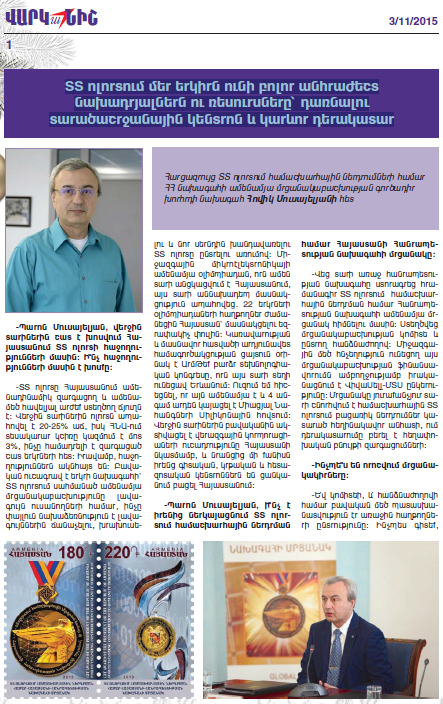
ՇԱՐՈՒՆԱԿԵԼՈՎ ԱՎԱՆԴՈՒՅԹՆԵՐԸ
Անկախության տարիներին Հայաստանում միկրոէլեկտրոնիկայի ավանդույթները նոր շունչ ստացան «Սինոփսիսի» Հայաստան մուտք գործելու շնորհիվ: Ամերիկյան ընկերությունը հետազոտեց շուկան եւ տեսավ, որ Հայաստանում կան հազարավոր ինժեներներ, մասնագետներ, որոնց ներուժը պետք է օգտագործել:
Հայաստանը 1950-ական թվականներից ի վեր Խորհրդային Միության ղեկավարության համապատասխան որոշմամբ պաշտոնապես ճանաչվել է որպես միկրոէլեկտրոնիկայի կենտրոն։ Այդ պահից սկսած՝ Հայաստանում կառուցվեցին Երեվանի Մաթեմատիկական մեքենաների գիտահետազոտական ինստիտուտը (Մերգելյանի ինստիտուտը), բուհերում բացվեցին միկրոէլեկտրոնիկայի ամբիոններ, կառուցվեցին գործարաններ, գիտահետազոտական ինստիտուտներ։ Continue reading
CONTINUING THE TRADITION
 During the years of Independence, thanks to the entry of “Synopsys” to Armenia the Microelectronics traditions stepped on a new intensive phase in our country. This American based company had studied the market and found that there are thousands of engineers and professionals whose potential could be made use of.
Since 1950s, pursuant to a decision made by the Soviet Union leadership Armenia was officially recognized as a center for microelectronics. Since then the Mathematical Machines Research Institute (Mergelyan Institute) has been established in Yerevan, Universities have opened departments of Microelectronics, factories and research institutes have been constructed. All these lead to the fact that already in 1960s Armenia created its first computer, and launched development and production of new semiconductor technologies and products. Continue reading
“Надо решить кадровую проблему, чтобы двигаться дальше”
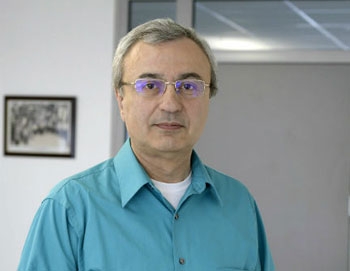 Беседа с директором компании “SYNOPSYS Armenia” Овиком Мусаеляном
Деловой Экспресс, 04 сентября, 2015г.
— Ваша компания одиннадцатый год работает в Армении. Что изменилось в IT-сфере за эти годы?
— Когда в 2004 году транснациональная компания “SYNOPSYS” пришла в Армению, проблем было немало. К примеру, Интернет со скоростью 1 Мбит/с стоил примерно 12 тыс. долларов, и качество его было очень низким. Сегодня такой Интернет стоит около 20 долларов, т.е. дешевле почти в 600 раз, и качество улучшилось примерно в 10 раз. Однако тогда, 10 лет назад, мы серьезно опасались, что из-за такого Интернета страна может потерять очень многое, ведь на всем постсоветском пространстве в Армении был самый дорогой Интернет. Тем не менее, для такой компании, как “SYNOPSYS”, не цена Интернета была главным негативным фактором (несмотря на то, что она входит в себестоимость продукции), а его качество, так как целью компании была организация исследовательского центра в Армении, который не смог бы нормально функционировать без качественного Интернета. Continue reading
ՏՏ ոլորտի անկման մասին տվյալները տարբեր մեթոդաբանությամբ հաշվարկների արդյունք են. մասնագետներ
 08:49 • 19.08.15
Նշենք, որ օրերս հրապարակված պաշտոնական վիճակագրության համաձայն՝ այս տարվա առաջին կիսամյակում Հայաստանի ՏՏ և հեռահաղորդակցության ոլորտներում անցած տարվա նույն ժամանակահատվածի համեմատ արձանագրվել է 2.4 տոկոսի անկում: Ամենամեծ անկումը՝ մոտ 6 տոկոս, արձանագրվել է հեռահաղորդակցության ոլորտում: ՏՏ ոլորտներում արտադրությունը նվազել է 1,3 տոկոսով, առևտուրը և ծառայությունները՝ 3%–ով:
Համաշխարհային ՏՏ մրցանակաբաշխության կոմիտեի գործադիր խորհրդի նախագահ, «Սինոփսիս» ընկերության գործադիր տնօրեն Հովիկ Մուսայելյանը նույնպես համաձայն չէ վերը նշված թվերի հետ և Tert.am–ի հետ զրույցում ներկայացրեց իր հիմնավորումները, որոնցից առաջինը մեթոդոլոգիաների տարբերությունն է, ինչի հետևանքով անընդհատ տարբեր թվեր են ներկայացվում:
Ինչ վերաբերում է այլ գործոններին, ապա ըստ Մուսայելյանի՝ նշված 35 ընկերությունները «սթարթափ» ընկերություններ են, որոնք, հիմնականում, սկզբում աշխատում են վնասով:
«Ես այդպիսի «սթարթափ» ընկերություն չգիտեմ, որ միանգամից բացվել է ու ապահովել է եկամուտներ.մինչև բացում են, մինչև թիմ են համալրում, և եթե ինչ-որ ժամանակ զրո եկամուտ են ունենում, դա էլ է նորմալ, մինչև իրենք սկսեն արդեն օգուտով աշխատել»,-ասաց Հովիկ Մուսայելյանը՝ ընդգծելով, որ դա դեռ ՏՏ ոլորտում ընդհանուր ծավալների ավելացման կամ պակասեցման համար դեռ ցուցանիշ չէ: Փոխարենը, ցուցանիշ են ՏՏ ոլորտում ստեղծվող նոր աշխատատեղերը, ոլորտում կատարված ներդրումները: Continue reading
ՄԵԶ ՀԱՄԱՐ ԺԱՄԱՆԱԿԸ ՇԱՏ ԹԱՆԿ Է

Եթե բիզնեսը հիմնական առանցքը չի լինում, հայրենասիրությունը վաղ թե ուշ մղվում է երկրորդ պլան, մղումներն էլ գնալով մարում են:
«Սինոփսիս Արմենիայի» 10-ամյակի կապակցությամբ, Armef News-ի խնդրանքով, ընկերության գործունեությունն է ներկայացնում տնօրեն Հովիկ Մուսայելյանը:
1990-ականներին, ԽՍՀՄ փլուզումից հետո, Հայաստանում օտարերկրյա հիմնական ներդրողները հայեր էին: Այն ժամանակ ներդրումների և ընդհանրապես` Հայաստանում գործունեություն ծավալելու առումով հիմնականում առաջ մղող ուժը հայրենասիրությունն էր: Ներդրողների թվում կային Հայաստանից նախկինում արտագաղթած անձինք, ովքեր լավ պատկերացում ունեին հայաստանյան ներուժի մասին, և բարձր տեխնոլոգիաների ոլորտում նրանք նույնպես ստորաբաժանումներ բացեցին: Վերջիններիս պարագայում առաջնայինը բիզնես գործոնն էր, որը շատ կարևոր էր, որովհետև եթե բիզնեսը հիմնական առանցքը չի լինում, ապա վաղ թե ուշ հայրենասիրությունը մղվում է երկրորդ պլան, մղումներն էլ գնալով մարում են: Այս տարիների ընթացքում նման օրինակները բազմաթիվ են: Continue reading
“13 years ago the RA government announced IT sector a priority field, however the sector development drawbacks did not become any less.”
IT is one of the most ambitious sectors of our industry that supports many positions with high salaries.
However, to my mind, in parallel to this, the most serious issue is the capital market, the work power market, with the highly qualified specialists’ demand.
During the Armenian activities we had over those 10 years that Synopsys is in Armenia we have had 30 % staff increase and we have mainly enlarged our specialist base thanks to the university students, who are our partners. The cooperation with these universities addresses the purpose to prepare specialists for the sector. However IT, and moreover chip design sector has always been in need of highly qualified specialists.
Unfortunately you can’t have highly qualified specialists’ with our universities’ educational programs who will be demanded straightly after graduation. Only 7-8 % of them are hired after graduation. It is only after much research and many years of commitment that those graduates turn into the specialists who are always demanded. The current difficulties related to the professional education and the training of technological resources that are in accordance with the international IT sector standards are associated with huge financial issues. Today the universities may not manage to create chairs, labs – those are supported by the private companies. A tight cooperation should be shaped between the private sector and the universities, otherwise shaping a competitive educational environment will always be a standing issue for the country. Continue reading
Preserving national identity is a national ideology itself.
Preserving national identity is a national ideology itself
Hovik Musayelyan’s interlocution with the RA Public Council Chairman Vazgen Manukyan takes us back to the Soviet times, to the environment of youth longing for independence. The breakthrough of the Kharabakh movement turning into all-Armenian movement was no accident – from 1965, it had been a secret dream of the Armenian youth to rebel. In Vazgen Manukyan’s biography, it had been a conscientious activity, and finally he became the ideology leader of the movement, thereupon, the first Premier of the Independent Armenia, a candidate to President, an active politician, not standing aside but still proactive and doing his utmost for the improvement of the social life.
Hovik Musayelyan – Our meeting is dedicated to the centennial of the Armenian Genocide, but I would like to go 50 years back, to 1965, when the Communist Party of Soviet Armenia decides that an event dedicated to 50 years of the Armenian Genocide should be held in the opera hall. As far as I remember, not many people knew about the massacre. Today, the situation is totally different. Seems like a newborn already knows what a genocide is. Nevertheless, although 90% of the population did not know about this, a miracle happened in a few days – flyers were distributed, people went out and a meeting happened. Nowadays, it is not that difficult to arrange a demonstration and probably people won’t adequately assess this breakthrough and the risks that this brave demonstration implied. Since you personally participated in this historical demonstration, and following this, a group of dissidents was formed, you were one of those… Let us go 50 years back…
Vazgen Manukyan – If we go 50 years back, we will definitely appear in a very good period from the age perspective. I would not say the citizens, but most of the youth hardly knew about the genocide. The elderly ones of course knew, but told nothing to their families as a rule – nothing compromising safety should have been disclosed to children during those days. The genocide topic was one of those. I was slightly aware, since on our way to the kindergarten my grandpa was telling me about the genocide, religion, Bible; however, nor could I imagine the real scope of the tragedy. Now I think it was good that we did not know about the genocide, knowing about it would be a huge stress. Realizing that you have lost your land and people is a not that easy. It may sound surprising, but I think it was good to an extent that the youth did not know about the genocide. Forbidding for decades to speak about the genocide, the Soviet Union, in fact, helped and enabled us to meet the 50th anniversary more recovered. From this perspective, we differed from the diaspora also. Their sense of patriotism was stronger thanks to the instillation, but we were healthier. It was at that time that the youth understood what had happened. Continue reading
 Hovik Musayelyan's Blog